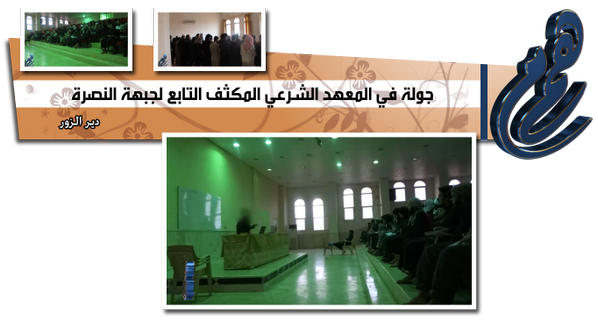
NOTE: For previous parts in this video series see: #54, #53, #52, #51, #50, #49, #48, #47, #46, #45, #44, #43, #42, #41, #40, #39, #38, #37, #36, #35, #34, #33, #32, #31, #30, #29, #28, #27, #26, #25, #24, #23, #22, #21, #20, #19, #18, #17, #16, #15, #14, #13, #12, #11, #10, #9, #8, #7, #6, #5, #4, #3, #2, and #1.
—

__________
To inquire about a translation for this video message for a fee email: [email protected]
Category: Syria
Check out my new piece co-authored with Phillip Smyth at Foreign Policy's Middle East Channel: " The Vocabulary of Sectarianism"

As the conflict in Syria continues to spread throughout the Levant and adopt a broader sectarian tone — Sunni Salafis on one side and Iranian-backed, ideologically influenced Shiite Islamists on the other — it is important to know how the main actors have cast one another. Unlike the rhetoric during the Iraq War (2003), sectarian language on both sides is regularly finding its way into common discourse. Fighting between Sunnis and Shiites has picked back up in Iraq, is slowly escalating in Lebanon, and there have been incidents in Australia, Azerbaijan, Britain, and Egypt.
The utilization of these words in militant and clerical lingo reflects a broader and far more portentous shift: A developing sectarian war and strategy of dehumanization. This is not simply a representation of petty tribal hatreds or a simple reflection on Syria’s war, but a grander regional and religious issue. If language serves as a guide to how a conflict will develop and how participants view it, a number of key terms must be understood.
Sunni Islamists, particularly Salafis, have used six main terms to describe those that support, are on the side of, or are fighting with the Assad regime: Nusayri, rafidha, majus, Safawi, Hizb al-Lat, and Hizb al-Shaytan. Their Shiite Islamist foes have also adopted their own titles for their Sunni opponents, some of the main terms include: Nasabi, Takfiri, Ummayad, and Wahhabi. For both sides, these terms serve to paint their enemies as nothing more than infidels bent on destroying Islam. Consequently, there can only be one punishment: Death.
Click here to read the read the rest.
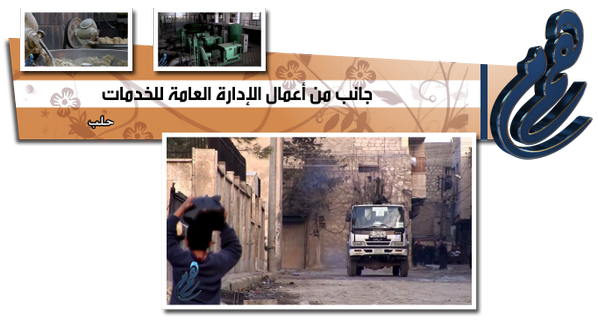
New video message from Himam News Agency: “Report 54: Aspects of the Work of al-Idārah al 'Āmah Li-l-Khidmāt a Subsidiary of Jabhah al-Nuṣrah – Aleppo"
NOTE: For previous parts in this video series see: #53, #52, #51, #50, #49, #48, #47, #46, #45, #44, #43, #42, #41, #40, #39, #38, #37, #36, #35, #34, #33, #32, #31, #30, #29, #28, #27, #26, #25, #24, #23, #22, #21, #20, #19, #18, #17, #16, #15, #14, #13, #12, #11, #10, #9, #8, #7, #6, #5, #4, #3, #2, and #1.
—

_________
To inquire about a translation for this video message for a fee email: [email protected]
Musings of an Iraqi Brasenostril on Jihad: "They have closed ranks and pledged bay'ah to Baghdadi": Nasheed for the Islamic State of Iraq and ash-Sham
NOTE: An archive of the Musings of an Iraqi Brasenostril on Jihad column can be found here.
–
“They have closed ranks and pledged bay’ah to Baghdadi”: Nasheed for the Islamic State of Iraq and ash-Sham
By Aymenn Jawad Al-Tamimi
Preface
This is an Islamic State of Iraq and ash-Sham nasheed released earlier in 2013 (around September time) and translated by me below. The term bay’ah means a pledge of allegiance, and in this case it is to ISIS’ leader Sheikh Baghdadi: a fundamental aspect of joining ISIS, not requiring a bay’ah to Sheikh Zawahiri of al-Qa’ida Central (see my previous Jihadology post for more information).
On the other hand, pledging allegiance to Sheikh Zawahiri, according to the testimony related to me by a representative of the Katiba Mus’ab bin Umair- a Deraa-based battalion that recently pledged allegiance to Jabhat al-Nusra- is a key part of properly integrating into Jabhat al-Nusra, Syria’s official al-Qa’ida affiliate that has emphasized its loyalty to al-Qa’ida Central by calling itself “Tanzim al-Qa’ida fi Bilad ash-Sham.”
Contrasting with this point, a representative of Jabhat al-Nusra in Qalamoun, which vowed to protect members of ISIS on the grounds of having the same manhaj (ideological program: i.e. Caliphate and world domination) even as the “politics” differ, affirmed to me that the political difference between Jabhat al-Nusra and ISIS is that the latter has no bay’ah to Sheikh Zawahiri.
This point is corroborated by some more testimony I recently gathered from members and supporters of ISIS. Thus, one native Syrian member of ISIS from Aleppo denied to me the existence of an ISIS bay’ah to al-Qa’ida central and affirmed to me that the original al-Qa’ida in Iraq had pledged bay’ah to and thus was absorbed by the Islamic State. Prominent ISIS source and supporter who used the Twitter handle zhoof (who is notably anti-Jabhat al-Nusra, deridingly referring to it on occasion as the “Jowlani Front”) elaborated to me further on whether ISIS has bay’ah to Sheikh Zawahiri:
“Zawahiri is a soldier with Mullah Omar, so if there is a bay’ah [from ISIS to al-Qa’ida Central], it will be to Mullah Omar, but all that there is of bay’ah is on Nusra which Sheikh Baghdadi established for Zawahiri, but every word Baghdadi utters is as though he is under bay’ah to Zawahiri as his sheikh, and this is from the discipline and humility of the sheikh [Baghdadi].”
In objection to these points, it is argued that if ISIS were really independent of al-Qa’ida Central, why does Sheikh Baghdadi not simply say so explicitly? Indeed, he has made no explicit declaration of a break, but I would argue that this is so because it would simply stir up too much fitna in the global jihadist movement. After all, Sheikh Baghdadi understands that al-Qa’ida Central is ultimately working towards the same ideological goals, so why bother deepening an already serious disagreement?
In short, as Will McCants says, Sheikh Baghdadi is playing a “clever game.” I would also agree with McCants about being skeptical of ISIS supporters’ and members’ narrative of the independence of the Islamic State from al-Qa’ida Central from the very beginning with its founding in late 2006, for there is no doubt that al-Qa’ida in Iraq was initially the main component of the Islamic State.
In any case, the lack of an explicit leadership declaration of independence does not mean there is no independence. On this reasoning, one could argue that the Green Battalion- a muhajireen battalion founded by Saudis last summer and primarily operating in Damascus province- is not an independent group. However, all reliable testimony on the ground (e.g. my interview with the Jabhat al-Nusra in Qalamoun representative) points to its independence.
Though it shares the ideology of ISIS and Jabhat al-Nusra, the Green Battalion is independent for “personal reasons”: that is, its founders and leaders had personal problems with ISIS and Jabhat al-Nusra in that they preferred not to take sides in the dispute over Sheikh Baghdadi’s announcement of a merger. Of course, it is not advantageous to anyone to declare explicitly a break of this sort.
Translation of the Nasheed
“They have closed ranks and pledged bay’ah to Baghdadi,
For [he is] our amir in our Iraq and ash-Sham.
For the Caliphate of God: I am its sign,*
Its glory decreed by our blood.
They have promised each other to protect its [the Caliphate’s] corners,
They have sold life at a cheap price for its survival.
They have closed ranks and pledged bay’ah to Baghdadi,
For [he is] our amir in our Iraq and ash-Sham.
They have undertaken bay’ah together to our amir,
They are your heroic knights and our weapon.
For he [Baghdadi] is the one to whom bay’ah is pledged in our land of Iraq
And [he is] the amir of the Muslims and of our land of Sham.
They have closed ranks and pledged bay’ah to Baghdadi,
For [he is] our amir in our Iraq and ash-Sham.
Preserve the soldiers of God, oh custodian of ours.
The cross has returned to our land and our abodes.
And on our skulls will be our life,
Laying low and vanquishing oppression, our enemy.
They have closed ranks and pledged bay’ah to Baghdadi,
For [he is] our amir in our Iraq and ash-Sham.
We have not forgotten the incident of the throwers,**
Verily it is an excellent lesson for whomsoever after it,
When some of the throwers resisted our Prophet,
For grace remains on our heroes [?].***
They have closed ranks and pledged bay’ah to Baghdadi,
For [he is] our amir in our Iraq and ash-Sham.”
Further Notes
* cf.My previous post for Jihadology in which I discuss ISIS discourses focus on establishing the Caliphate.
**- cf. This video lecture by Yahya Abd al-Rahman.
**- I am slightly uncertain about this phrase. Alternative suggestions are welcome.
GUEST POST: Ahrar al-Sham versus Ahrar al-Sham: The band and the militia
NOTE: As with all guest posts, the opinions expressed below are those of the guest author and they do not necessarily represent the views of this blogs administrator and does not at all represent his employer at the Washington Institute for Near East Policy.
Jihadology.net aims to not only provide primary sources for researchers and occasional analysis of them, but also to allow other young and upcoming students as well as established academics or policy wonks to contribute original analysis on issues related to jihadism. If you would like to contribute a piece, please email your idea/post to azelin [at] jihadology [dot] net.
Click here to see an archive of all guest posts.
—
Ahrar al-Sham versus Ahrar al-Sham: The band and the militia
By Joel D. Parker
Ahrar al-Sham, a Salafi militia that emerged in late 2011, now coordinates with the Islamic Front (IF), and has attained a large and relatively well-funded forces considered to be among the single strongest militias on the side of the opposition.[1] Interestingly, Ahrar al-Sham, meaning “Free men of the Levant,” shares its name with a music group that is rooted in the popular protest movement and linked to the Free Syrian Army (FSA), and has dozens of music videos available online. While a militia and a band cannot be compared directly, the videos of Ahrar al-Sham the militia often do contain songs either in the background or as a dominant part of their message. I would like to thus compare the imagery and musical styles used by Ahrar al-Sham the band and the militia respectively, as a tool to explore possible similarities and differences within the ideologies of the dominant factions of the armed opposition.
[2]
The band Ahrar al-Sham has recorded a number of highly-viewed anthems (anashid) since the outbreak of the uprising in March 2011, such as “Our God is God” (Ilna Allah) and “It’s not Allowed” (haram aleyh) generally sung in a cappella style out of difference to Salafi interpretations of Islamic laws.[3] However, they are decidedly not related to the militia Ahrar al-Sham, and in fact do not refer to Ahrar al-Sham the militia in their songs, rather only to the Free Syrian Army. They use the colloquial Levantine dialect declare the imminent fall of the Baʿth Party—lyrics that seem superfluous in the Islamist or Salafi context where shariʿa law tends to trump political pluralism.[4]
Ahrar al-Sham, the militia, employs a different genre of anashid, typically derived from sources predating the Syrian uprising, using only classical Arabic, and often reusing hymns recorded over the past two or three decades by singers from the Gulf States.[5] While a cappella hymns are allowed (especially to raise moral in battle), according to strict Salafi interpretations of Islamic jurisprudence, most popular singing and musical accompaniment is forbidden to the listener and musician alike.[6]
A clear division between the musical styles of the band and the militia comes to light in the differing lyrics on subjects of nationalism, territory, identity, and vision for the future. Ahrar al-Sham the band is adamant about its loyalty to Syria the country in its repeated usage of the original slogans heard on the streets in the early days of the peaceful uprising when a common motif was the slogan “Allah, Suriya, Hurriya wa Bas.” The militia does refer to Syria, but generally prefers metaphors such as “Grandsons of Umar” to refer to their broader Sunni heritage.
One of the most emotive songs of the band is “Y’allah Nihtif Sawa” (Come, let’s lift our voices together). It refers to Hama and Homs in particular, and the last verse of the song is taken from a song from the 1950s, “Skaba Ya Damuʿ al-ʿAyn” (Oh, Tears Flow).[7] The band Ahrar al-Sham’s usage of this refrain indicated the sadness of lost loved ones, and its usage became so common in the first year of the Syrian uprising that a satirical music video was made, showing Bashar singing it and crying.[8] As opposed to the pan-Islamic message of the Islamist anashid of the militia, Ahrar al-Sham the band refers only to Syria, and even appeals to “Arabs,” not Muslims in general, to join their fight against the regime of the Syrian “traitor.”
[9]
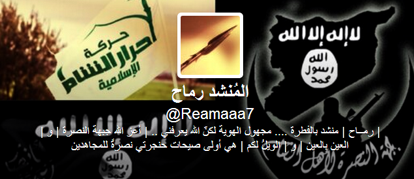
Recently, the militia Ahrar al-Sham has begun to employ newly composed hymns in their propaganda, such as “Al-Wayl La-Kum” (A scourge on you!), which declares a curse on their enemies and a blessing on their fighters, the army of Muhammad.[10] Despite its Syrian Arabic accent (in strict literary Arabic), the Saudi-style reverb effect in the hymn alludes to Wahhabi styles of Qurʾanic recital that became popular in the 1980s.[11] The driving force of the song, which is performed by a singe who has also dedicated songs to al-Nusra Front and the Islamic State of Iraq and al-Sham, is the global jihadi momentum that appeals to individual Muslims to unite under one banner and join in the struggle against heretics, unbelievers, and “Hizb al-Lat”—a play on the Lebanese Shiʿa militia, Hezbollah, whose name means Party of God.[12]”
An overlap in the culture of both Ahrar al-Sham the band and the militia can be heard in the words of some anthems that resonate throughout the insurgency. For instance, a music video has been uploaded showing Syrian young boys singing the hymn “Allahu Akbar, ḥayya ʿala al-jihad” (God is greater, Come to Jihad!) with guns in their hands.[13] The boys call for jihad and, at the same time, use rhetoric derived from the Arab nationalist tradition that demands to know, “Where are the Arabs?” The call to jihad is a common theme today in the midst of the war against the regime, and indeed one hymn, “Jahizuna” (You Prepared Us) has been used in the videos of Ahrar al-Sham the militia as well as a number of other jihadist groups. It was recorded about a decade ago in Riyadh, Saudi Arabia, and its influence across militia groups reflects the cultural and political strength of Gulf States on the Syrian conflict.[14]
In the wider sphere that produced the anashid of both Ahrar al-Sham the militia and Ahrar al-Sham the band, certain shared themes are derived from contemporary Islamist culture and its Gulf-oriented posture. The main difference then is that the FSA-linked music group directs its message towards the Arab Sunnis of Syria fighting against Asad, while the Salafi militia of the IF targets its message towards the wider Sunni world, where many view the current struggle in broader geopolitical terms.
New statement from Jabhat al-Nuṣrah: "Attack Upon the Strongholds of the Shabīḥah in the Village of al-Rahjān in Rural Ḥamāh and Striking It With Two Martyrdom Operations"

Click the following link for a safe PDF copy: Jabhat al-Nuṣrah — “Attack Upon the Strongholds of the Shabīḥah in the Village of al-Rahjān in Rural Ḥamāh and Striking It With Two Martyrdom Operations”
_________
To inquire about a translation for this statement for a fee email: [email protected]
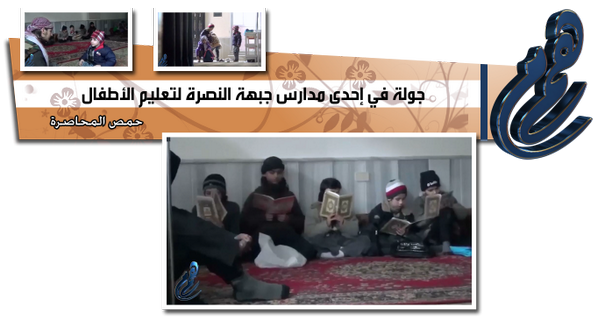
New video message from Himam News Agency: “Report 53: A Tour of One of the Schools of Jabhat al-Nuṣrah For the Education of the Children – Besieged Ḥomṣ"
NOTE: For previous parts in this video series see: #52, #51, #50, #49, #48, #47, #46, #45, #44, #43, #42, #41, #40, #39, #38, #37, #36, #35, #34, #33, #32, #31, #30, #29, #28, #27, #26, #25, #24, #23, #22, #21, #20, #19, #18, #17, #16, #15, #14, #13, #12, #11, #10, #9, #8, #7, #6, #5, #4, #3, #2, and #1.
—

___________
To inquire about a translation for this video message for a fee email: [email protected]
New article from Dr. Iyād Qunaybī: "Discussion in Response to the [Islamic] State on Mubādarah al-Ummah"
____________
To inquire about a translation for this article for a fee email: [email protected]
GUEST POST: Azerbaijani Foreign Fighters in Syria
NOTE: As with all guest posts, the opinions expressed below are those of the guest author and they do not necessarily represent the views of this blogs administrator and does not at all represent his employer at the Washington Institute for Near East Policy.
Jihadology.net aims to not only provide primary sources for researchers and occasional analysis of them, but also to allow other young and upcoming students as well as established academics or policy wonks to contribute original analysis on issues related to jihadism. If you would like to contribute a piece, please email your idea/post to azelin [at] jihadology [dot] net.
Click here to see an archive of all guest posts.
—
Azerbaijani Foreign Fighters in Syria
By North Caucasus Caucus
Introduction

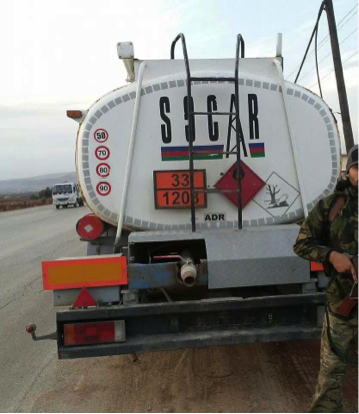
Figure 1. An Azerbaijani fighter stands next to a captured tanker truck from the State Oil Company of the Azerbaijani Republic (SOCAR) in Syria, Source: APA
Stories about Azerbaijanis fighting in Syria have appeared semi-regularly in the Azerbaijani media throughout 2013. Recent events have unleashed a flood of commentary, however, with at least seven Azerbaijanis killed during fighting between the Islamic State of Iraq and Sham (ISIS) and the Islamic Front on 03 – 04 January 2014, including a 14-year-old boy from Azerbaijan’s exclave of Nakhchivan. Now many political and religious pundits in the country have commented on or turned their attention to Azerbaijanis going to fight in Syria. The Azerbaijani government is beginning to take more public actions.
Terrorism and religious extremism have always remained marginal issues in Azerbaijan’s domestic politics, and accurate information is difficult to come by. Many of the details about plots and alleged plots often come from court reporting or detailed statements put out by the Ministry of National Security (MNS). The Azerbaijani government often overplays terrorism cases, in part as a way to solicit cooperation from the United States and other western countries.
The civil war in Syria is far different than previous conflicts in which Azerbaijanis have participated. For the first time, Azerbaijani fighters are speaking directly to audiences within Azerbaijan and elsewhere through videos and posts in social media. They are even able to interact continuously with their friends in Azerbaijan. No longer are researchers reliant solely on court documents or televised confessions, the validity of which are sometimes questionable. With more primary source material, an interesting and more richly detailed picture is emerging.
History of Azerbaijani Jihadi Activity: Afghanistan and Chechnya
Azerbaijanis have participated in a number of conflicts around the world – most notably in Chechnya and Afghanistan (though the author has found no reports of Azerbaijanis fighting in Iraq). Azerbaijan’s population of nine million is approximately 60% Shi’a and 40% Sunni and has overall low levels of religiosity. It comes as a surprise to most Azerbaijanis that their countrymen would participate in jihad.
The MNS arrested 70 Azerbaijani citizens between 2001-2003 for attempting to travel to Chechnya. In a list complied by the author—based on media reports and video montages of Azerbaijani martyrs put out by extremist media outlets—between 1999 and 2013, at least 33 Azerbaijanis died in the North Caucasus, mainly during the years of the heaviest fighting (1999-2005), and at least 23 Azerbaijanis were killed in Afghanistan (including at least one suicide bomber). 200-250 Azerbaijanis reportedly fought in Afghanistan and Pakistan. In 2009, Azerbaijani police arrested 13 people for illegally crossing the border back into Azerbaijan from Iran after reportedly fighting in Afghanistan and Pakistan.

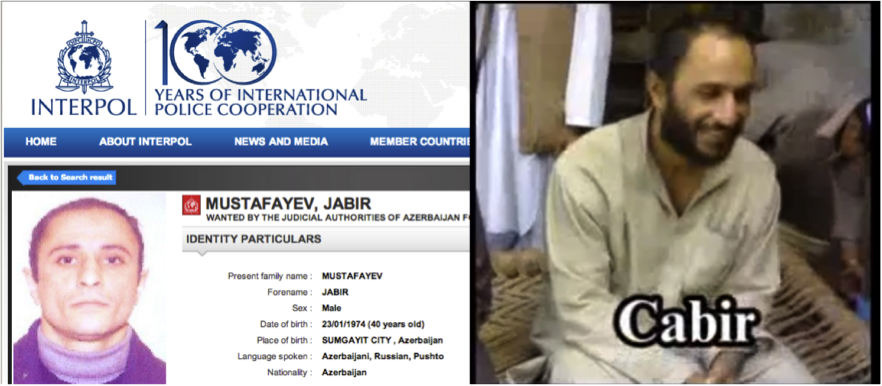
Figure 2. Left: INTERPOL released a red arrest notice for Jabir Mustafayev for terrorism charges; Right: Mustafayev appeared in a video honoring all the Azerbaijani fighters killed abroad in the period of 2007-2009, Source: YouTube
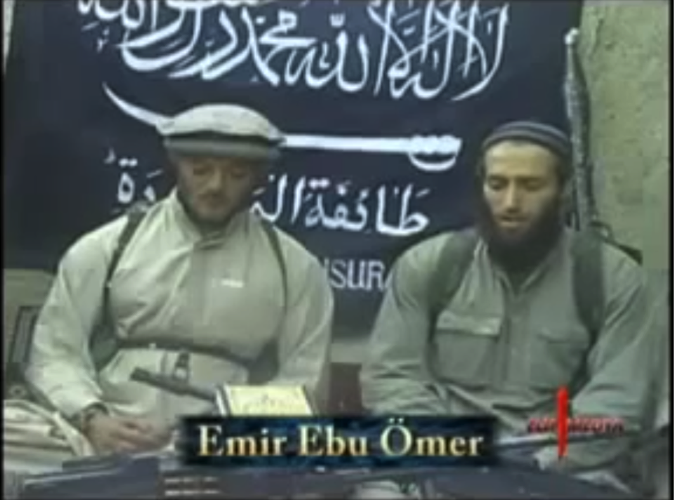
Azerbaijanis were even represented in the leadership of some prominent groups in Afghanistan and the North Caucasus. Azer Misirxanov aka Ebu Omer, who was killed in a US airstrike in 2009, was a high-ranking member of Taifetul Mansura in Afghanistan, led by Serdal Erbasi (aka Ebu zer), a Turkish citizen. Misirxanov, originally from the village of Khalafli in Jebrail District, had previously fought in the North Caucasus and was even arrested in 2001 but was released after only a year in prison for unknown reasons.

Figure 3. Azer Misirxanov (aka Emir Ebu Omer, right) appears with Serdal Erbasi in a 2009 video, Source: YouTube
First Appearance of Azerbaijani Fighters in Syria: Late 2012
The first report of an Azerbaijani fighter in Syria came in mid-August 2012 from a French journalist reporting in Aleppo. A Turkish war correspondent taken prisoner in Syria in May 2012 also reported seeing Azerbaijanis fighting with the Free Syrian Army.
The first concrete cases were in fall 2012. According to identification documents, including a passport and driver’s license that were photographed and posted online, Zaur Islamov was 37 years old and from the northern Azerbaijani city of Qusar, which borders Dagestan. The earliest known posting of Islamov’s photos was on 9 September 2012 on the forum, Shabka Ansar al-Mujahideen (Mujahideen Supporters’ Network). Islamov’s name was also included on a pro-Assad Facebook page listing “terrorists” killed in various battles. At least one of the Azerbaijani fighters killed in Syria was part of Azer Misirxanov’s group in Afghanistan. In 2009, an Azerbaijani court sentenced Araz Kangarli to two and half years in prison for illegally crossing the border between Azerbaijan and Iran, weapons possession, participation in an illegal armed group for two months in 2008, and committing an illegal act overseas. He only served one year before being released and in November 2012 his mother received a phone call that her son had been killed.
In Press Medya, a Turkish pro-Syrian opposition news website, released photos of four Azerbaijani fighters killed in battle and several photos of living fighters. These pictures made it clear that more than just a handful of Azerbaijanis were in Syria. Since the end of 2012, reportedly around 100 Azerbaijanis have been killed in Syria. Based on media reports and postings by jihadi media outlets, the author has recorded 41 Azerbaijanis who have fought in Syria, 30 of whom were killed. Of course, the participation of many fighters is never recorded.
Where do they come from?
For a researcher on violent extremist groups in Azerbaijan, the hometowns of many of the fighters in Syria do not come as a surprise. They line up with the hometowns of Azerbaijanis who have fought in Chechnya or Afghanistan, as well as the locations of counter-terrorism operations within the country.
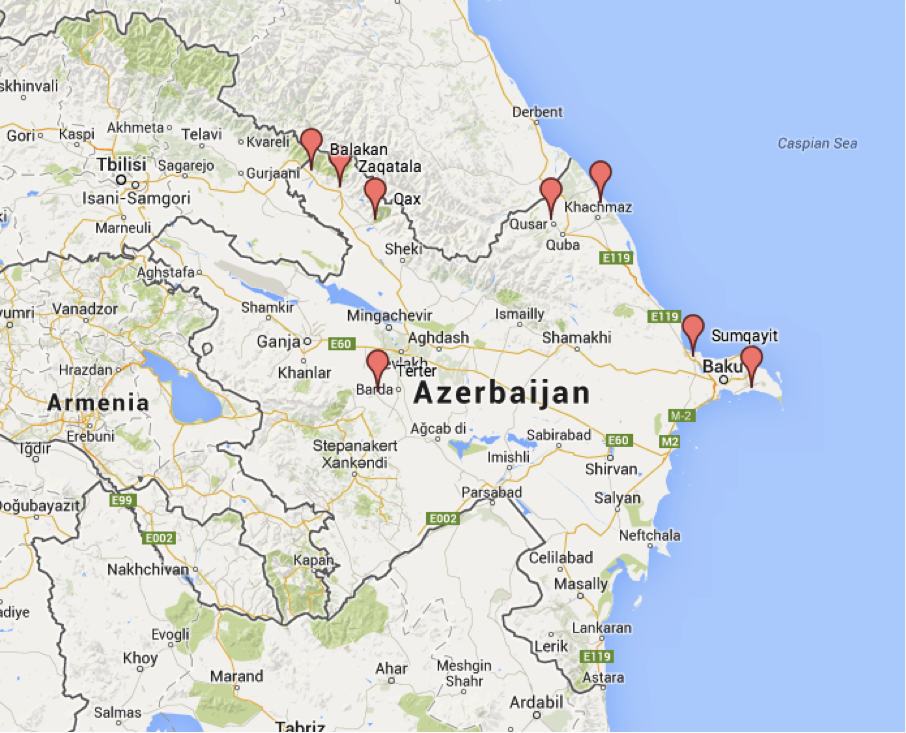
Based on media reporting and the author’s own database of biographical data, Azerbaijanis fighting in Syria primarily come from Baku, Sumqayit, and smaller towns in northern Azerbaijan such as Qusar, Xudat, Xacmaz, Zaqatala, and Qax. Press reporting has mentioned specifically the villages of Kohne Xacmaz, Muxax in Zaqatala District and the village of Quhuroba in Xacmaz District as being important hometowns of foreign fighters. An article in the newspaper Musavat claimed that around 30 fighters came from Muxax alone. At least one fighter came from Terter (where in December 2008, three men wearing military uniforms attacked a military post in order to seize weapons for use in terrorist attacks). Sumqayit, the large industrial city just north of Baku, appears to be the most important source of Azerbaijani foreign fighters.
Connections of Hometowns of Foreign Fighters to Previous Terrorism

Figure 4. Map of Foreign Fighters Hometowns, Source: Google Maps
Sumqayit
Sumqayit has played a role in nearly every story on terrorism in Azerbaijan. In 2007, police claimed they broke up a group based in Sumqayit known as the “Abu Jafar” group. It was reportedly led by Naielm Abdul Kerim al-Bedevi, a Saudi citizen. Azerbaijani security services reported that al-Bedevi had been living in Sumqayit since 2001 and had travelled repeatedly to the North Caucasus.
In 2008, Russian and Azerbaijani media reported that Ilgar Mollachiyev helped establish a branch of the Dagestani “Forest Brothers” in Azerbaijan, creating two jamaats – one in Sumqayit and the other in Quba/Qusar. According to two alleged members of the group, Taleh Maherramov and Samir Babayev, Mollachiyev illegally crossed into Azerbaijan from Russia on 19 July 2008 along with an Arab known as “Dr. Muhammed,” traveling to Baku and Sumqayit. In August 2008, Mekhtiyev ordered Elnur Bashirov and another member of the group to attack the Abu Bakr Mosque, the most popular Sunni mosque in Azerbaijan (which has remained closed since the attack). The attack sparked a huge response from Azerbaijani security services against the pious Sunni community as a whole.
The Sumqayit jamaat was supposed to carry out robberies in Baku in order to gather the means to obtain weapons in order to commit attacks. A reported member of Emin Shikhaliyev explained during his trial that the Sumgayit jamaat was created not in order to commit crimes in Azerbaijan, but rather to provide help to the mujahideen in Afghanistan and Chechnya.
Members of the group in September-November 2008 visited the village in Balakan District on the border with Georgia where
New statement from the Islamic State of Iraq and al-Shām: "Position on the Initiative of Shaykh al-Muḥaysinī"

بسم الله الرحمن الرحيم
قال الله تعالى: {الَّذِينَ يُبَلِّغُونَ رِسَالاتِ اللَّهِ وَيَخْشَوْنَهُ وَلا يَخْشَوْنَ أَحَدًا إِلاَّ اللَّهَ وَكَفَى بِاللَّهِ حَسِيبًا} [الأحزاب: 39].
الحمد لله ربّ العالمين والصلاة والسلام على إمام المجاهدين نبيّنا محمّد وعلى آله وصحبه أجمعين وبعد…
فقد طُرحت في وسائل الإعلام مبادرةٌ قال صاحبها مشكوراً إنه يسعى من خلالها لوقف الاقتتال الحاصل بصورة رئيسية بين الدّولة الإسلاميّة في العراق والشام ومجموعة الكتائب والفصائل والعصابات التي أعلنت الحرب الغادرة عليها، وقبل التطرّق لردّنا على المبادرة نقول ابتداءً:
إنه من الخطأ البيّن الفادح إطلاق القول بأنّ القتال الحاصل الآن في الشام هو قتال بين مجاهدين في سبيل الله وأنه قتال فتنة، بل قد يكون ذلك القول من تلبيس الحق بالباطل والعياذ بالله، فهل الكتائب التي تقاتل تحت مظلّة هيئة أركان سليم إدريس وائتلاف الجربا وغيرها من المسمّيات التي لا تُخفي منهجها العلماني العفن ورفضها لتحكيم الشريعة أو أي طرحٍ لمشروع إسلاميّ ولو بالاسم هم مجاهدون في سبيل الله؟
هل عصابات جمال معروف وخالد حياني وأحمد عفش وغيرهم من المفسدين وقطاع الطرق ومطايا آل سلول ومخابرات أمريكا وفرنسا مجاهدون في سبيل الله؟
هل المجرمون واللصوص الذين غدروا ودهموا بيوت المهاجرين واعتدوا على أعراض المرابطين وقطعوا الطرق عليهم وانتهبوا أموالهم وذبحوهم بدمٍ بارد ثم ألقوا أجسادهم في الآبار، هل هؤلاء مجاهدون في سبيل الله وقتالهم قتال فتنة؟
وليس يصحّ في الأذهان شيءٌ إذا احتاج النّهار إلى دليل
لقد مورست حملة دعائية خبيثة ضخمة لتشويه صورة المجاهدين طمست الحقائق ولبّست على الناس الأمور وسوّغت الجرائم التي ارتكبت ضدّ الدّولة الإسلاميّة وزينت الوجوه الكالحة القبيحة لمرتكبيها، وكان من أبرز ما اتهمت به الدّولة الإسلاميّة زوراً أنها تُكفّر المسلمين في الشّام وأنها لا تتحاكم في خصوماتها مع الفصائل والكتائب المسلحة لشرع الله ولا حول ولا قوّة إلا بالله.
وحتى تتبيّن للمسلمين في الأمّة طبيعة هذا الصراع في الشّام وحقيقة الأطراف التي تُحارب مشروع الدّولة الإسلاميّة، وتكون لمثل هذه المبادرات أرضيةٌ صلبة يُنطلق منها لتترك آثاراً وتؤتي ثماراً ملموسة بعيداً عن النفخ الدّعائي الذي لا يأتي في الغالب بخير وتستثمره أبواق الإعلام الفاجر، فإنّنا نطلب من أصحاب هذه المبادرة وغيرها أنْ يلتزموا هم أولاً ثمّ يُلزموا الأطراف المعنية بهذه المبادرات أمرين مهمّين:
أولاً: بيان الموقف الشرعي الصريح بلا مواربة من المناهج المناقضة لتحكيم الشريعة الإسلاميّة في الشّام كـ “الديمقراطية” و”العلمانية”، والهيئات والمجالس التي تمثلها علانيةً كهيئة الأركان والائتلاف الوطني والمجلس العسكري وغيرها من المسمّيات التي تدعو بلا خفاء لبناء دولة لا تحكم بشرع الله، تحت غطاء ما يسمّى بـ “الدّولة المدنيّة”.
وما يترتّب على ذلك من الموقف الشرعي الصريح الواضح تجاه الجماعات والفصائل والتكتلات المنضوية تحت هذه المسمّيات أو المرتبطة بها أو تقاتل على الأرض تحت رايتها، وما يجب على الجميع في كيفية التعامل معهم ومع رموزهم.
ثانياً: بيان الحكم الشرعي الصريح للأنظمة الحاكمة في المنطقة كالحكومة الأردنيّة والسعوديّة والقطريّة والإماراتيّة والتركيّة وغيرها، وما يترتّب على ذلك من موقف شرعيّ تجاه الجماعات والفصائل التي تتعامل مع هذه الحكومات أو مع مخابراتها أو مع مخابرات الدّول الغربية كأمريكا وفرنسا وغيرها، أو تُعين هذه الحكومات وأجهزة المخابرات لتنفيذ مشاريعها الخبيثة في الشام.
فإن حددت الأطراف المعنية موقفا واضحا من هاتين المسألتين وأعلنت ذلك على الملأ، فسيكون بعدها وضع الترتيبات القضائية وما يتبعها من إجراءات خاصّة بهذه المبادرة أو غيرها أمراً هيّناً بإذن الله، وإننا لنحسبُ أنّ تبيان الموقف الشّرعي في هذه المسائل واجبٌ في هذه المرحلة الخطيرة على أيّ جماعة جهادية تقاتل في سبيل الله أو تنسب نفسها لفسطاط المجاهدين في سبيل الله، حتى يعرف الجميع مواطن أقدامهم ومع من يتعاملون، وليحيى بعدها من حيّ عن بيّنة ويهلك من هلك عن بيّنة.
وإلى أن يتمّ الاتفاق على هاتين المسألتين من قبل الأطراف التي وافقت على المبادرة، فإنّ سياسة الدّولة على الأرض مستمرّة بإذن الله في قتال من يُقاتلها والاقتصاص ممّن ظلمها وكسْرِ شوكته بلا هوادة، والكفّ عمّن كفّ عنها وحاد بسلاحه واعتزل قتالها مهما عظُم جُرمه، حقناً للدماء وإمضاءً لمبادرة أمير المؤمنين حفظه الله والتي أعلنها في خطابه الأخير، وحتى يتفرّغ الجميع لقتال العدو النّصيريّ المجرم المتربّص.
والله أكبر
{وَلِلَّهِ الْعِزَّةُ وَلِرَسُولِهِ وَلِلْمُؤْمِنِينَ وَلَكِنَّ الْمُنَافِقِينَ لا يَعْلَمُونَ}
الاثنين الموافق 26 ربيع الأول 1435 للهجرة
27 كانون أول 2014
_________
To inquire about a translation for this statement for a fee email: [email protected]